
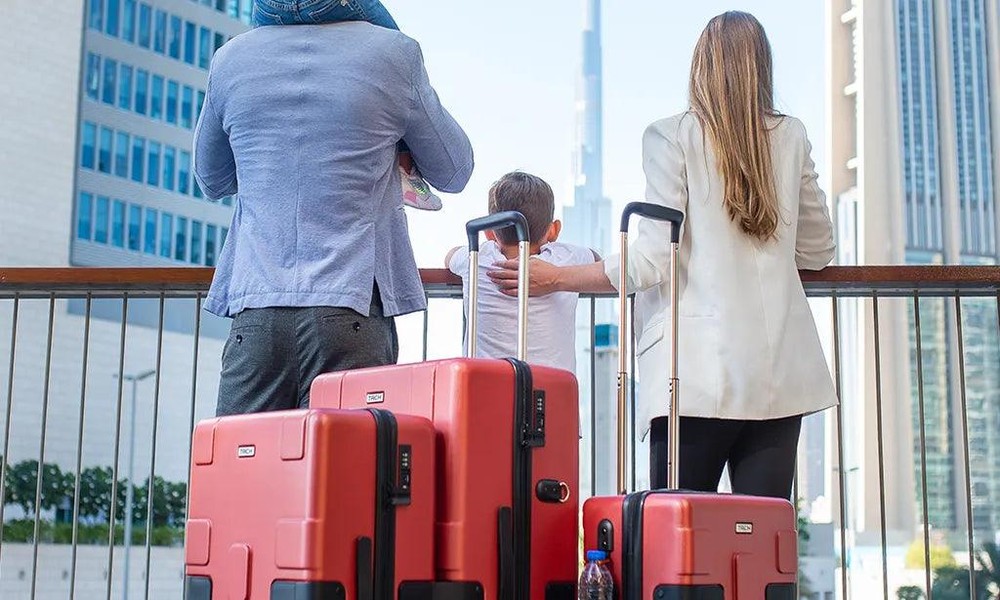

Spring travel presents one of the trickier packing challenges of the calendar year. A single morning can feel like late winter. An afternoon might turn balmy enough for short sleeves before an evening breeze off the water sends you reaching for something warmer. For travelers heading abroad during shoulder season, the trick isn’t packing more clothing. It’s packing smarter clothing that does double duty across temperatures.
Start With a Solid Base Layer
Your base layer is the unsung hero of any spring wardrobe. These are the lightweight tops and bottoms that sit closest to your skin, wicking moisture away while adding just enough warmth on cooler mornings. Merino wool remains a favorite among experienced travelers for good reason. It regulates temperature exceptionally well. It resists odor through multiple wearings. And it packs down to almost nothing in a carry-on.
For warmer-weather days, a thin cotton or bamboo tee works as a stand-alone piece. On chillier mornings, that same tee tucks neatly under a long-sleeve top or button-down without adding bulk. Pack a couple of base options in neutral tones that will pair with everything else in your suitcase.
Mid-Layers Are Where the Magic Happens
The mid-layer is the workhorse of any layering system. Think lightweight sweaters or button-down shirts that can serve as outerwear on mild days, or as an extra layer when temperatures drop.
A merino crewneck or a fine-gauge cashmere sweater offers tremendous warmth-to-weight ratio. Both can be dressed up for dinner or dressed down for a morning walk through town. Travelers who book European cruises during April and May often mention how unpredictable port weather can be. One day in Lisbon might feel like early summer while the next stop in Bilbao calls for a sweater and scarf. A well-chosen mid-layer makes those transitions painless without requiring a full wardrobe change.
Quarter-zip pullovers and lightweight fleece jackets also earn their spot in the suitcase. They breathe well during active days ashore. They layer cleanly under a shell on rainy mornings. They also roll up small when you don’t need them.
Choose an Outer Shell That Handles Surprises
Your outer layer should protect you from wind and rain without weighing down your bag. A packable rain jacket is non-negotiable for spring travel. Look for one with sealed seams plus an adjustable hood, with enough room to fit comfortably over your mid-layer.
For travelers who prioritize style alongside function, a trench coat in a quick-drying technical fabric strikes the right balance. It dresses up nicely for dinner ashore. It also keeps you dry during an unexpected shower. Avoid heavy wool peacoats or insulated parkas this time of year. They take up valuable suitcase real estate and will likely sit unused most of the trip.
Bottoms That Pull Their Weight
Pants and skirts deserve the same thoughtful approach. Stretch-blend trousers in dark neutral colors travel beautifully because they resist wrinkles. They also dry quickly after a quick wash in the sink. And they transition easily from daytime sightseeing to evening dining.
Avoid jeans for trips with significant walking or temperature swings. Denim takes forever to dry. It holds onto chill in cold weather. It also traps heat when temperatures rise. A pair of lightweight wool trousers or technical hiking pants offers far more flexibility. For warm afternoons or beach excursions, pack a lightweight skirt or a pair of breathable shorts that can roll into tight bundles.
Accessories Do the Heavy Lifting
A good scarf is worth its weight in luggage allowance. A merino or silk scarf adds warmth on cool mornings. It doubles as a sun cover for the shoulders during a midday excursion. And it dresses up an outfit for evening dining. Pack two scarves in colors that complement your wardrobe palette.
A lightweight beanie or packable wide-brim hat protects from sun or wind depending on the day. Gloves you can stuff in a pocket take up almost no space but make early mornings on deck or in port far more comfortable.
Footwear Strategy
Two pairs of versatile shoes usually cover spring travel needs. A comfortable walking shoe in a neutral color handles all-day sightseeing on uneven streets. A dressier option rounds out the rotation for dinner evenings or shore excursions to nicer restaurants. If space allows, a pair of breathable sandals adds flexibility for warm afternoons or quick trips off the ship.
Whatever you bring, break shoes in well before you travel. Blisters can ruin even the most beautiful destination.
Pack With the Weather Forecast in Hand
A week before departure, check the forecast for each destination on your itinerary. Spring weather varies dramatically by latitude. A May trip that begins in Barcelona and ends in Copenhagen will require very different choices than one that stays entirely in the Mediterranean.
If your itinerary spans multiple climate zones, prioritize layers that work in both warm and cool weather. Aim to wear each piece at least three times across the trip. That mental test alone tends to eliminate impulse-pack items that take up space without earning their place.
The Carry-On Test
Before you zip your suitcase, do one final review. Lay everything out and then remove anything you can’t picture wearing in at least two outfits. The goal is a kit where every piece earns its keep across multiple weather conditions and occasions.
Spring travel rewards travelers who pack flexibly. It rewards those who dress in layers. Most of all, it rewards those who leave room for the unexpected purchase that always seems to find its way home.
A Final Word on Mindset
The best-packed suitcase is one that feels almost too small when you close it. That little bit of restraint pays off when you’re hauling your bag up cobblestone steps or onto a train platform. Layering well lets you carry less while still feeling prepared for whatever the day brings. And when the weather does throw a surprise your way, you’ll already have an answer hanging in the closet of your stateroom.










Leave a Comment