
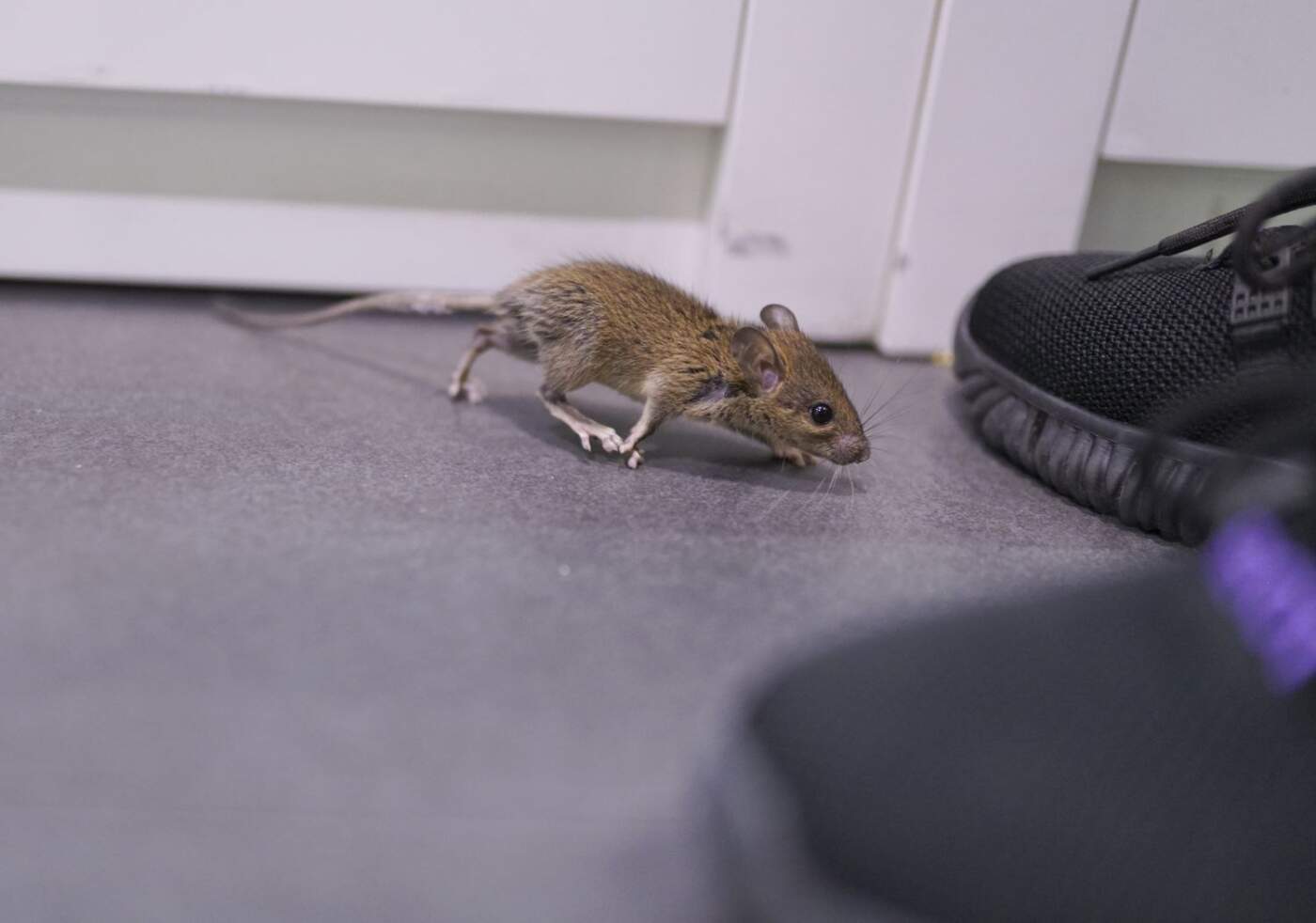

No—do dryer sheets keep mice away is one of those home remedies that gets passed around endlessly online, but the evidence simply isn’t there. While mice have sensitive noses, they are highly motivated by food and shelter. A scented sheet in a drawer might smell pleasant to you, but it isn’t going to stop a hungry rodent. For effective control, focus on sealing entry points with steel wool and using traditional traps or professional deterrents.
Here’s the full picture – and what actually does work.
Why People Think It Works
The theory: mice have a highly developed sense of smell, and dryer sheets contain fragrances (like linalool and β-citronellol) that might be unpleasant to rodents in high concentrations.
There’s a kernel of truth here – very concentrated scents can temporarily deter mice from a specific area. But dryer sheets contain relatively low concentrations of these compounds. They lose their scent within days indoors. And a mouse that needs food badly enough will walk right past them.
What the Evidence Actually Shows
| Method | Scientific Evidence | Practical Effectiveness |
|---|---|---|
| Dryer sheets | No credible studies supporting use | Low – temporary at best |
| Peppermint oil | Some lab evidence of deterrent effect | Low-moderate – needs constant reapplication |
| Ultrasonic repellers | Mixed evidence; mice adapt quickly | Low – inconsistent results |
| Steel wool in gaps | Physical barrier – no scent needed | High |
| Snap traps | Well-documented | High |
| Bait stations | Well-documented | High |
| Professional extermination | Most thorough | Very High |
What Actually Keeps Mice Away
1. Seal Entry Points (Most Important Step)
Mice can fit through a gap the size of a dime – about ¼ inch. A mouse problem is always a structural problem as much as a pest problem.
- Stuff steel wool into gaps around pipes, wires, and wall penetrations (mice won’t chew through it)
- Apply caulk or expandable foam over the steel wool to seal it
- Check where utility lines enter the home, dryer vents, gaps under doors, and foundation cracks
No repellent works as well as simply closing the door.
2. Eliminate Food Sources
Mice are in your home because there’s food. Remove the food, remove the motivation.
- Store dry goods in airtight metal or glass containers
- Never leave pet food out overnight
- Clean up crumbs and spills promptly
- Empty trash cans frequently
3. Snap Traps
Old-fashioned snap traps remain one of the most effective tools available. Use peanut butter or Nutella as bait (not cheese – that’s a cartoon myth). Place traps perpendicular to walls, along known mouse pathways.
4. Bait Stations
Rodenticide bait stations are effective for established infestations. Follow label instructions carefully, especially if you have children or pets.
5. Peppermint Oil – A Better Scent Option
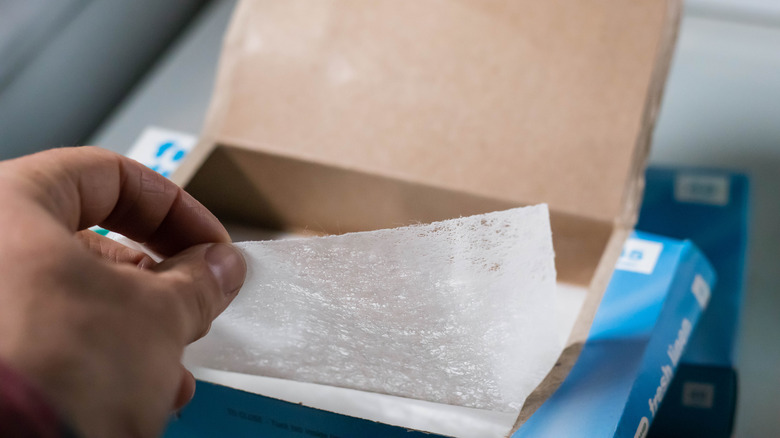
If you’re set on a scent-based deterrent, peppermint oil is a better choice than dryer sheets. It contains higher concentrations of menthol, which does have some evidence as a mouse deterrent. Soak cotton balls in undiluted peppermint oil and place in entry points. Replace every 1-2 weeks. Still not a standalone solution – use alongside physical prevention.
Signs You Have a Mouse Problem
| Sign | What It Means |
|---|---|
| Droppings (small, dark, rice-shaped) | Active infestation |
| Gnaw marks on food packaging or wood | Mice chewing through materials |
| Nesting material (shredded paper, fabric) | Mice setting up a nest |
| Scratching sounds in walls at night | Mice moving through wall cavities |
| Grease marks along baseboards | Mice running the same paths repeatedly |
If you’re seeing multiple signs consistently, dryer sheets aren’t going to help. You need traps, bait stations, or a professional.
The Bottom Line
Dryer sheets don’t keep mice away in any meaningful, lasting way. The scent dissipates too quickly, the concentration is too low, and mice are simply too determined when food and warmth are on the line. Save the dryer sheets for the laundry. For real mouse prevention, focus on sealing entry points and removing food sources – those are the two interventions that actually change the outcome.









Leave a Comment