
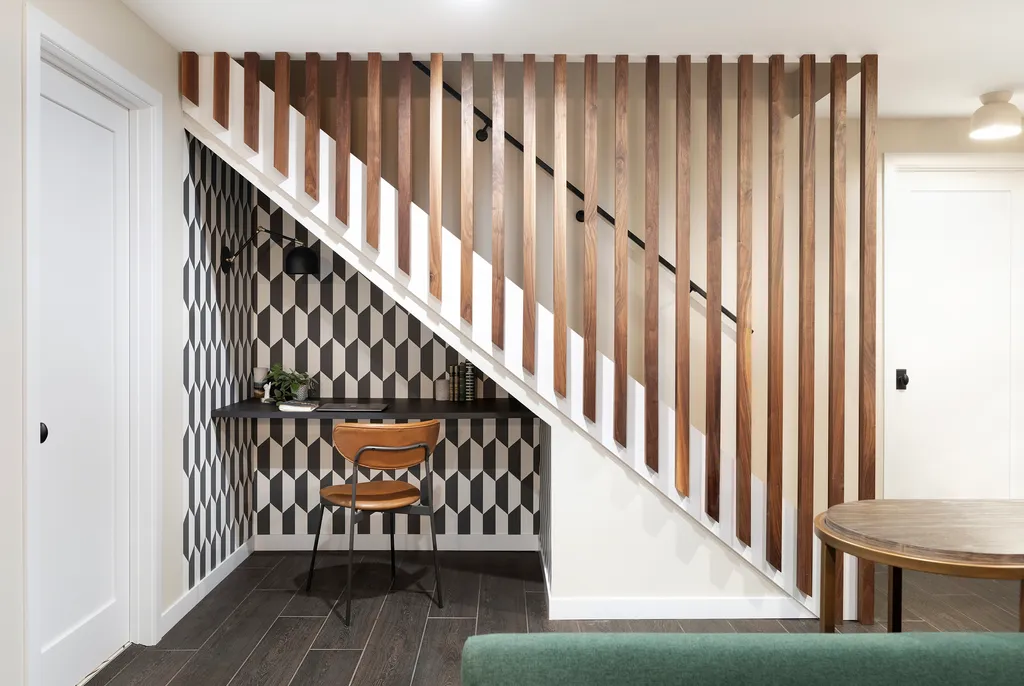

The stair railing is one of the most visible architectural features in a home, yet it’s frequently overlooked. If you’re hunting for stair railing ideas interior, consider swapping dated wooden spindles for slim black iron balusters or even cable railings for a contemporary feel. Updating a railing can transform an entryway more dramatically than almost any other single structural change, immediately bridging the gap between a traditional layout and a modern aesthetic.
Here’s a comprehensive look at interior stair railing ideas, organized by style and material.
Style Overview
| Style | Best For | Key Materials | Budget Level |
|---|---|---|---|
| Traditional wood | Colonial, craftsman, classic homes | Oak, maple, pine | Low-Medium |
| Iron/wrought iron | Traditional, Mediterranean, transitional | Wrought iron, steel | Medium |
| Cable railing | Modern, contemporary, coastal | Stainless steel cable + wood or metal posts | Medium-High |
| Glass panel | Modern, open-plan, high-end | Tempered glass + metal/wood frame | High |
| Mixed metal + wood | Transitional, modern farmhouse | Steel + oak/walnut | Medium-High |
| Open/floating staircase | Ultra-modern | Steel stringers + wood treads | High |
| Painted wood | Transitional, fresh, versatile | Wood + paint | Low |
Classic: Traditional Wood Railings
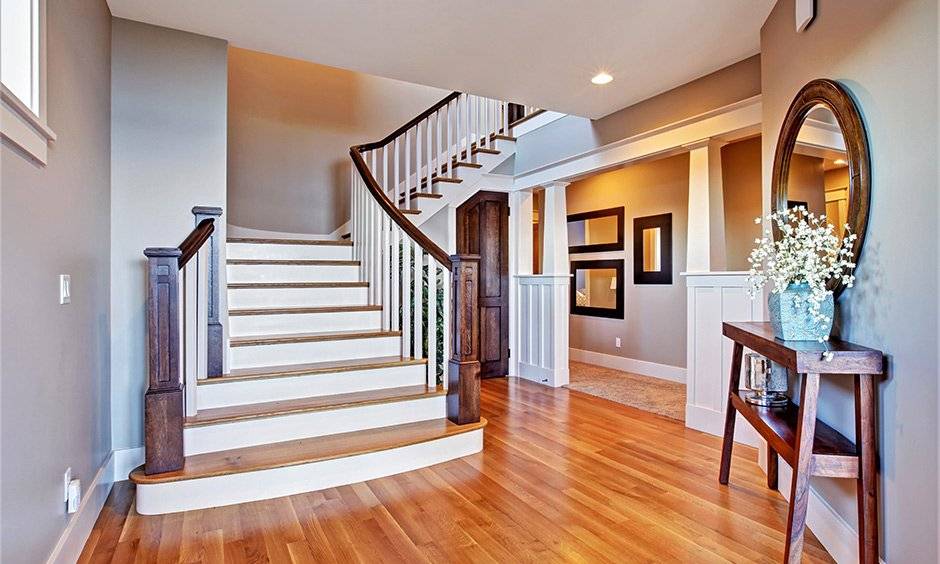
Wood railings are the most common and the most versatile. The design lives or dies by the baluster profile (the vertical spindles between posts).
Popular profiles:
- Square balusters – clean, modern-traditional
- Turned balusters – classic, colonial, detailed
- Craftsman-style square posts – Arts & Crafts, bungalow homes
The update move: Keep the wood newel posts (the large anchor posts at top and bottom) but replace traditional turned balusters with sleek square ones. Pair with a painted white newel and a stained wood handrail for a fresh transitional look that doesn’t require a full railing replacement.
Dramatic: Wrought Iron Balusters
Replacing wood balusters with wrought iron or steel is one of the most popular and cost-effective railing upgrades – and it can often be done without replacing the existing handrail or newel posts.
Iron balusters come in dozens of profiles: straight, twisted, basket designs, fleur-de-lis, hammered, and modern geometric. Combining two different profiles (alternating or grouped) creates visual texture.
Cost: Wrought iron balusters typically run $5-$15 per baluster. For an average staircase of 30-40 balusters, total material cost is $150-$600 – one of the best value railing upgrades available.
Modern: Cable Railing
Stainless steel cable railing has become the signature look of modern and coastal interiors. Horizontal steel cables run between posts, maintaining code-compliant spacing while nearly disappearing visually – the result is a staircase that feels open and airy.
What makes cable railing work:
- Pairs beautifully with natural wood handrails and posts
- Creates unobstructed sightlines between floors
- Works especially well in open-plan homes with views to preserve
Considerations: More expensive than traditional balusters ($100-$200 per linear foot installed). Requires proper tensioning – cables must be taut enough to resist deflection under pressure (code requires maximum 4-inch gap).
Luxurious: Glass Panel Railing
Frameless or semi-frameless glass panel railings are the choice of high-end modern homes. Tempered glass panels replace individual balusters, creating a continuous transparent barrier that makes staircases feel like floating architectural features.
Two approaches:
- Frameless glass – panels held in floor-mounted shoe channels or point-mounted; most elegant
- Framed glass – panels in metal frames; more structural, slightly less seamless
Cost: $150-$300 per linear foot installed. This is the premium option – but in the right home, the result is extraordinary.
Trending: Mixed Materials (Steel + Wood)
One of the most popular current directions in railing design is combining industrial and natural materials:
- Flat steel bar balusters with a thick walnut or white oak handrail
- Powder-coated black metal posts with a warm wood cap rail
- Black iron brackets supporting a natural wood floating shelf-style handrail
This look bridges the gap between industrial loft aesthetic and warm residential comfort – and it photographs exceptionally well.
Budget-Friendly: Painted Railings
One of the most impactful, lowest-cost updates: paint the existing railing.
White-painted balusters and newel posts against a stained wood handrail is a crisp, transitional combination that works in almost any home. Black-painted balusters with a natural wood handrail creates a modern, graphic look.
Process: Sand lightly, prime, and use a semi-gloss or gloss finish for durability. Brush or spray both work – spraying is faster but requires masking.
Cost: $50-$200 in materials for a full staircase. The labor is significant if DIYing – set aside a full weekend.
Key Design Principles for Any Railing
- Consistency matters: The railing style should relate to the home’s overall architecture – ultra-modern cable railing in a Victorian home creates visual friction
- The handrail is tactile: It needs to be graspable and comfortable in the hand – don’t sacrifice function for looks
- Lighting transforms railings: Wall sconces at stair level or LED strip lighting along the base of treads dramatically elevates any railing design
- Posts anchor everything: Invest in solid newel posts – they’re the first thing people touch and look at
A well-chosen interior stair railing does more for a home’s character than almost any other architectural detail at a comparable price point.






Leave a Comment