


In Boston, where historic townhouses stand beside modern condominiums, thoughtful home design is essential for comfortable daily living. One approach gaining attention among homeowners and designers is behavioral zoning. This method organizes a home into clearly defined areas based on how people use each space, rather than simply dividing rooms by walls.
By aligning layout decisions with daily habits, families in Boston can create homes that support focus, relaxation, and social connection more naturally.
Understanding Behavioral Zoning
Behavioral zoning separates a home into functional zones such as social, private, and service areas. Instead of viewing each room as an isolated unit, this approach considers how movement, noise, and activities flow throughout the home. In Boston residences, where space is often limited, especially in Back Bay apartments or South End brownstones, zoning helps maximize usability without increasing square footage.
The goal is to reduce friction between conflicting activities. For example, placing quiet spaces away from high-traffic areas minimizes disruption and improves comfort. When rooms are grouped by behavior patterns, daily routines become smoother and less stressful.
Social Zones: Supporting Connection
The social zone includes spaces where people gather, such as the living room, dining area, and kitchen. In many Boston homes, open-concept layouts already combine these functions, but behavioral zoning refines their placement and interaction. Ideally, these areas should be near the main entrance to welcome guests without disturbing private rooms.
In a typical Boston condo, arranging seating to encourage conversation while maintaining clear walkways can improve both comfort and accessibility. Natural light from large windows, common in renovated waterfront properties, further enhances these shared spaces by making them feel open and inviting throughout the day.

Private Zones: Protecting Rest and Focus
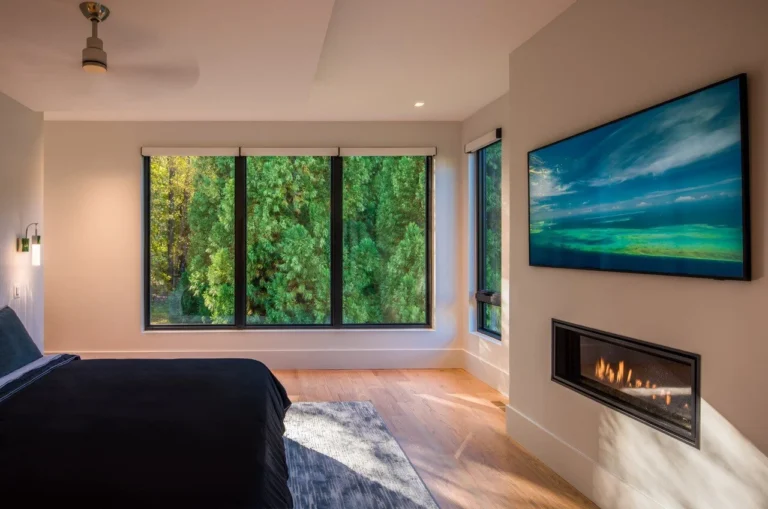
Private zones are dedicated to rest and personal activities, including bedrooms, home offices, and reading nooks. In Boston’s multi-level townhouses, these spaces are often located on upper floors, naturally separating them from street noise and social activity.
Behavioral zoning emphasizes keeping these areas quiet and visually calm. Positioning bedrooms away from living rooms and kitchens reduces sleep disruption, while placing a home office in a low-traffic corner supports concentration. This is particularly valuable in Boston, where remote work has become common and dedicated workspaces are now a necessity rather than a luxury.
Service Zones: Improving Daily Efficiency
Service zones include bathrooms, laundry areas, storage rooms, and utility spaces. While often overlooked, their placement strongly affects convenience. In Boston homes with older layouts, bathrooms may be limited or awkwardly located. Behavioral zoning encourages placing service areas close to both private and social zones to reduce unnecessary movement.
For example, having a bathroom accessible from common areas prevents guests from walking through bedrooms, while placing laundry facilities near sleeping areas simplifies daily routines. Thoughtful planning of these spaces can significantly improve household efficiency.
Transition Spaces: Managing Flow and Boundaries
Hallways, staircases, and entryways act as buffers between zones. In Boston, where many homes feature narrow corridors or steep staircases, these transition areas play a critical role in managing sound and privacy. Using lighting, flooring changes, or subtle design cues can signal shifts from active to quiet zones without requiring structural changes.
Well-designed transitions help occupants mentally switch between work, rest, and social interaction, supporting healthier daily rhythms.
Designing for Long-Term Comfort
Behavioral zoning is not about rigid rules but about adapting spaces to real-life behavior. In Boston’s diverse housing stock, from historic homes to new developments, this approach allows homeowners to improve livability without major renovations. By planning rooms around how people actually live, rather than how spaces are traditionally labeled, homes become more supportive, flexible, and comfortable over time.
Ultimately, behavioral zoning helps Boston residents create environments that align with their routines, reduce daily stress, and promote better overall living through thoughtful, practical design.

Leave a Comment